How to Choose a Holiday Property: A Practical Guide for a Smart Purchase
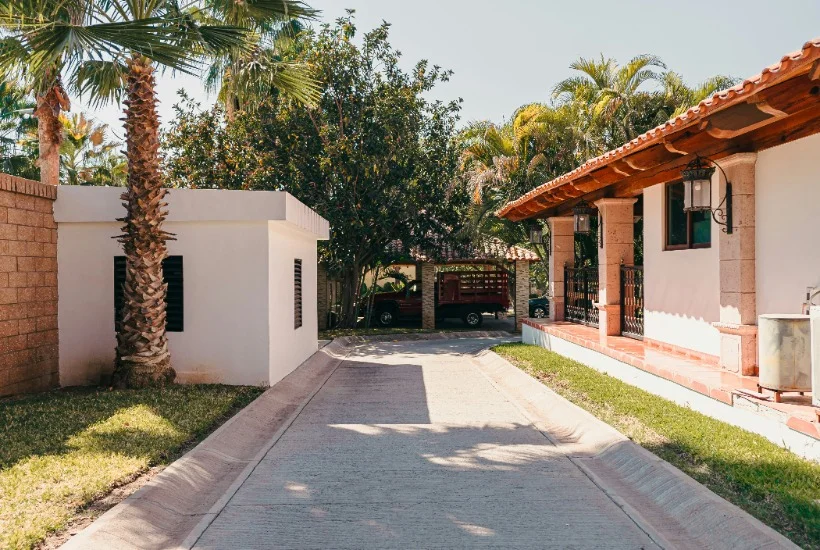
Buying a holiday property is one of the most popular decisions for people looking for a second home or an investment with income potential. Whether the property is located in Bulgaria, Greece, or another tourist destination, the choice should be carefully considered.
A holiday property is not just a place for relaxation – it can also be an asset that generates rental income when not in personal use.
1. Decide on the Location
The first and most important step is choosing the location. It determines both the price and the future income potential.
The most commonly preferred options include:
- seaside resorts with a strong summer season
- mountain destinations with a winter season
- spa and wellness regions
- smaller tourist towns with authentic character
- international holiday markets such as popular coastal regions in neighboring countries (for example Greece)
A good location ensures higher occupancy rates for rentals and better liquidity if you decide to sell in the future.
2. Choose the Right Type of Property
The next step is selecting the type of property based on budget and purpose:
- small studio or apartment – lower entry cost
- one- or two-bedroom apartment – balance between price and comfort
- house or villa – higher-end option with more privacy
- property in a gated complex – services, security, and maintenance included
The property type directly affects maintenance costs and rental potential.
3. Define the Purpose of the Purchase
Before selecting a property, you should clearly define its purpose:
- for personal holiday use only
- for investment and rental income only
- mixed use – personal use + rental income
This decision influences location, budget, and property type.
4. Plan a Realistic Budget
When buying a holiday property, you should not only consider the purchase price.
Additional costs include:
- maintenance fees (especially in residential complexes)
- local taxes and fees
- furnishing and equipment
- repairs and ongoing maintenance
- property management costs if rented out
In many cases, the real budget is 10–20% higher than the purchase price.
5. Check Infrastructure and Amenities
A successful holiday property depends not only on the building itself but also on its surrounding environment and infrastructure. A well-developed location increases both personal convenience and rental income potential.
It is important to consider access and transport connections, as well as proximity to key attractions such as beaches, ski slopes, or cultural and natural landmarks. The availability of shops, restaurants, and essential services in the area is also a crucial factor, along with access to healthcare and the overall level of safety.
Finally, seasonal tourist flow is a key indicator of how well the property can be rented out. The better the infrastructure, the higher the occupancy rate and overall return on investment.
6. Consider Property Management
There are two main options:
Self-management
Suitable for personal use or nearby locations.
Professional management
Ideal for investment properties and homes in foreign or distant destinations.
Property management companies typically handle
- guest check-ins
- cleaning services
- maintenance and repairs
- marketing and rental management
7. Gated Communities or Private Properties?
More and more buyers choose holiday properties in gated communities because they offer a higher level of comfort, security, and maintenance. These developments typically provide security and controlled access, well-maintained common areas, landscaped gardens, swimming pools, and additional amenities such as restaurants and shops.
This creates a more convenient and hassle-free ownership experience, especially for seasonal use or rental purposes. However, a key factor to consider is the annual maintenance fee, which varies depending on the complex and services offered and should always be included in the overall investment budget.
Conclusion
Choosing a holiday property requires careful planning and a clear strategy. The most important factors are location, property type, purpose of purchase, and a realistic budget.
Whether you are considering a property in Bulgaria, Greece, or another holiday destination, proper analysis in advance can help you avoid mistakes and turn the purchase into a successful long-term investment.
Последни публикации









Най-горе